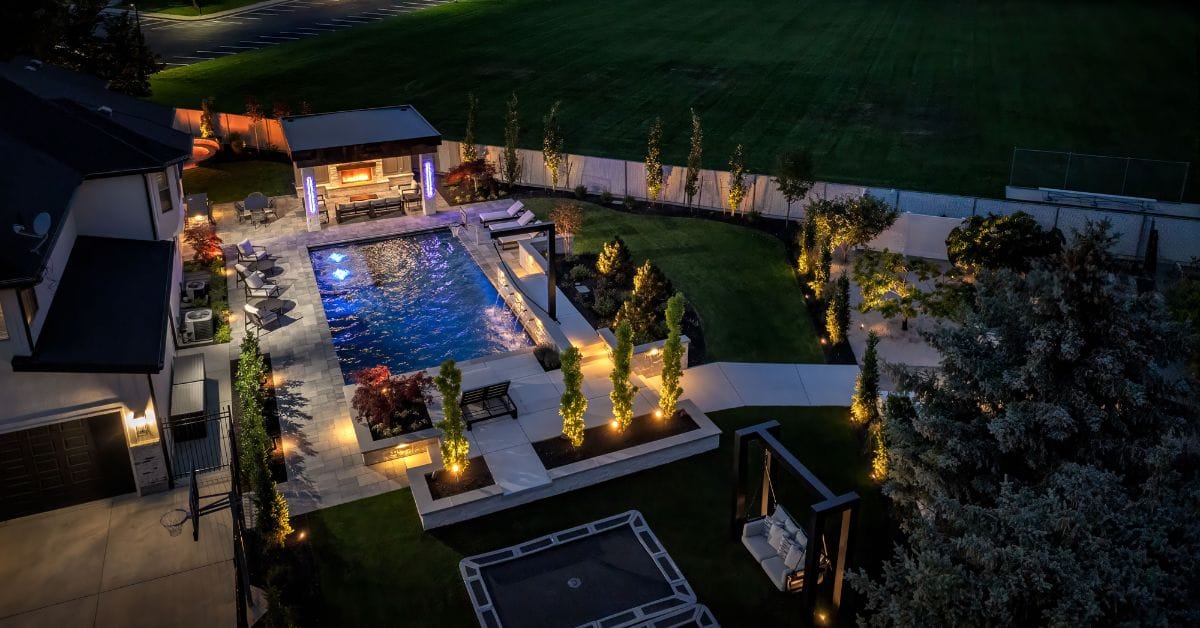
The allure of a pristine swimming pool, set against the dramatic backdrop of the Wasatch Mountains, defines the pinnacle of high-end living. A custom pool acts as a centerpiece for entertainment, a sanctuary for wellness, and a mirror reflecting the architectural beauty of a luxury estate. When designing these aquatic retreats, one decision significantly influences the quality of the swim and the long-term enjoyment of the amenity: the choice between traditional chlorine and a saltwater system.
We’re taking a moment to discuss the various pros and cons of saltwater systems in luxury pools. MTN MOD is proud to offer luxury pool services with your needs in mind.
Salt Systems Reduce Skin and Eye Irritation
Traditional pools often suffer from the buildup of chloramines—byproducts that cause the infamous chlorine smell and lead to red, stinging eyes. Saltwater systems operate differently. Because the generator produces chlorine continuously and evenly, it prevents the formation of chloramines.
For families who spend hours submerged during the height of July heat, this benefit proves invaluable. Children can open their eyes underwater with less discomfort, and guests emerge from the water without the lingering chemical scent that often clings to hair and swimwear. This gentle approach aligns perfectly with a wellness-focused lifestyle, ensuring that your exercise or relaxation time enhances your health rather than irritating sensitive skin.
Continuous Sanitation Levels Remain Consistent
Manual chlorination requires vigilance. You add chemicals, levels spike, and then they slowly degrade until you add more. This sawtooth pattern can leave gaps where sanitation drops below optimal levels, allowing algae to take hold—a disaster for the visual appeal of a designer pool.
Saltwater cells work steadily whenever the pump runs, maintaining a precise, constant level of sanitation. This automation frees you from the daily worry of checking chemical balances. The system works in the background, a silent guardian of water clarity. The result is water that sparkles with crystalline brilliance day after day, always ready for an impromptu evening gathering or a morning workout.
Lower Annual Chemical Costs Provide Value
While the initial setup of a luxury pool represents a significant investment, savvy homeowners appreciate efficiency in ongoing operations. Saltwater systems drastically reduce the need to purchase buckets of chlorine tablets or jugs of liquid shock. Salt, the primary fuel for the system, costs very little.
Once you establish the salinity level, you only need to replenish the salt occasionally, usually after heavy rain or significant splashing reduces the water level. Over the pool’s lifespan, this reduction in consumable chemicals accumulates into substantial savings. It allows resources to flow toward other enhancements, such as heating the pool for an extended season or upgrading the surrounding patio furnishings.
Elimination of Harsh Chemical Smells
A luxury environment appeals to all senses, including smell. The sharp, bleach-like odor associated with public pools has no place in a refined backyard sanctuary. As mentioned, chloramines cause that odor, not the chlorine itself. By eliminating chloramines, saltwater pools maintain a neutral, fresh scent.
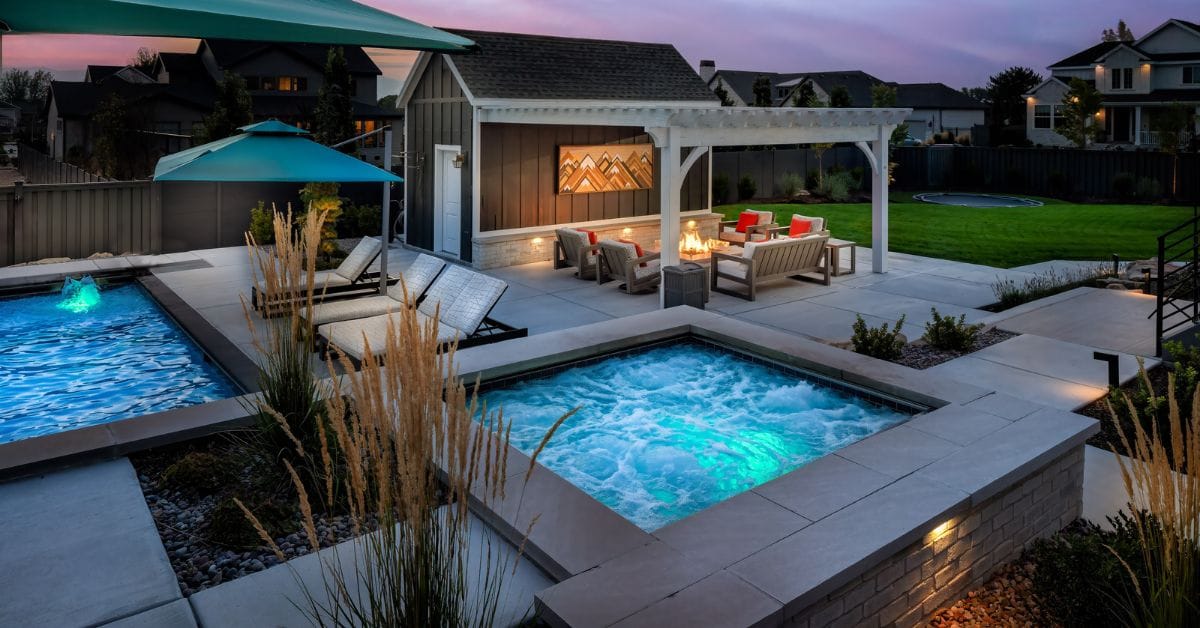
This enhances the atmosphere of the entire outdoor living space. Whether you are dining alfresco on the patio or lounging by the fire pit near the water’s edge, the air remains fresh and mountain-clean, unpolluted by chemical fumes. This subtlety defines true sophistication—technology that works effectively without announcing its presence.
Initial Installation Requires Higher Investment
Transitioning to the considerations, one must acknowledge the upfront cost. Installing a high-quality salt chlorine generator adds to the initial price tag of the pool project. The equipment involves advanced technology, including the control panel and the electrolytic cell, which carries a higher premium than a simple inline chlorinator used for tablets.
However, when viewing this expense within the context of a comprehensive luxury landscape project, the cost represents a fraction of the total investment. Most homeowners find the upfront premium negligible when weighed against the years of enhanced comfort and reduced maintenance effort. It acts as a down payment on a superior swimming experience.
Salt Water Can Corrode Soft Natural Stone
Perhaps the most critical consideration for high-end Utah pools involves the interaction between salt and landscaping materials. Salt is corrosive by nature. If you envision a pool deck paved with soft, porous natural stones like limestone, travertine, or sandstone, salt water presents a risk. Over time, splashes of saline water can degrade the stone’s surface, causing pitting or flaking.
This does not mean you must abandon your vision of a Tuscan-style travertine terrace. It simply demands careful planning. Consulting with professional luxury pool builders ensures you select materials capable of withstanding the saline environment or applying high-grade sealants to protect vulnerable stone. Expert designers might suggest using dense porcelain pavers or specific grades of granite that resist salt damage, ensuring the hardscape retains its beauty for decades.
Metal Components Face Corrosion Risks
Just as salt affects stone, it aggressively attacks certain metals. Galvanized steel, aluminum, and lower grades of stainless steel rust quickly when exposed to saltwater. In a luxury pool setting, this affects elements, such as:
- Ladder handrails and grab bars
- Automatic cover tracks and mechanisms
- Metal furniture placed too close to the splash zone
- Light fixtures and underwater niche rings
- Heater cores and heat exchangers
It’s important to note that MTN MOD does not use any low-grade materials during the installation process. As such, our saltwater pools do not rust or corrode the same as other materials or pool builds.
Salt Cells Demand Periodic Replacement
The heart of the system, the electrolytic cell, does not last forever. These cells contain precious metals like ruthenium and iridium on their plates to facilitate the chemical reaction. Over time, usually three to five years, these coatings wear away, and the cell loses its ability to generate chlorine.
Replacing a salt cell represents a recurring maintenance cost that exceeds the price of chlorine tablets. Homeowners must budget for this inevitable expense. While the day-to-day maintenance decreases, the periodic hardware maintenance increases. Acknowledging this lifecycle ensures there are no surprises when the system requires a fresh component to maintain that crystal-clear water.
The Saline Decision With MTN MOD
The choice to install a saltwater system in a luxury estate pool involves balancing sensory pleasure with material science. For most, the allure of soft, nonirritating water and the convenience of automated sanitation outweighs the requirements for specialized corrosion-resistant materials. The technology aligns seamlessly with a lifestyle that values quality, wellness, and ease.
By understanding the pros and cons of saltwater systems in luxury pools, you ensure yours remains a pristine jewel in your Utah landscape, offering a refreshing escape that feels as sophisticated as it looks.
