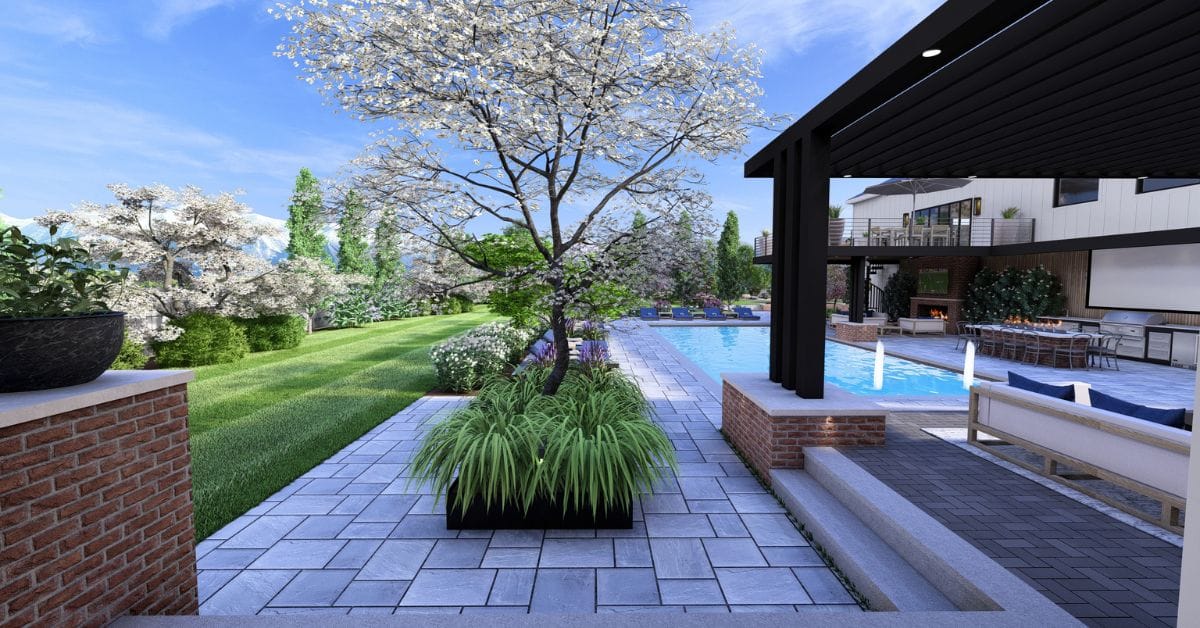
A pool should never feel like an afterthought in a well-designed outdoor space. It should anchor the experience, frame the views, and invite connection. When clients come to us at MTN MOD, they rarely ask for just a pool. They want a space that transforms how they live at home.
Choosing between an infinity pool and a traditional pool shapes that experience in a meaningful way. Both options offer beauty, recreation, and long-term value. However, each creates a different emotional and architectural impact. The right choice depends on your property, lifestyle, and vision for outdoor living. So which fits you best? We’re exploring infinity vs. traditional pools below.
What Defines an Infinity Pool?
An infinity pool, sometimes called a vanishing-edge pool, creates the illusion that water extends into the horizon. One or more edges sit slightly lower than the main water level. Water flows over that edge into a hidden basin and then recirculates back into the pool. This design produces a seamless visual line between water and landscape.
Infinity pools excel on properties with dramatic views. Mountain backdrops, valley overlooks, and cityscapes enhance the illusion. The design blurs boundaries and elevates the entire outdoor environment. When executed correctly, an infinity pool becomes a visual extension of the natural surroundings—perfect for these beautiful Utah backdrops.
What Defines a Traditional Pool?
A traditional pool features a fully contained perimeter with visible coping on all sides. Water remains within clearly defined edges. This style offers flexibility in shape, depth, and layout. It adapts easily to a wide range of lot sizes and architectural styles.
Traditional pools prioritize functionality and versatility. Families often choose this option for recreational swimming, games, and everyday use. Designers can integrate tanning ledges, spas, water features, and custom hardscape details. The result feels cohesive and intentional without requiring dramatic elevation changes.
Visual Impact and Architectural Integration
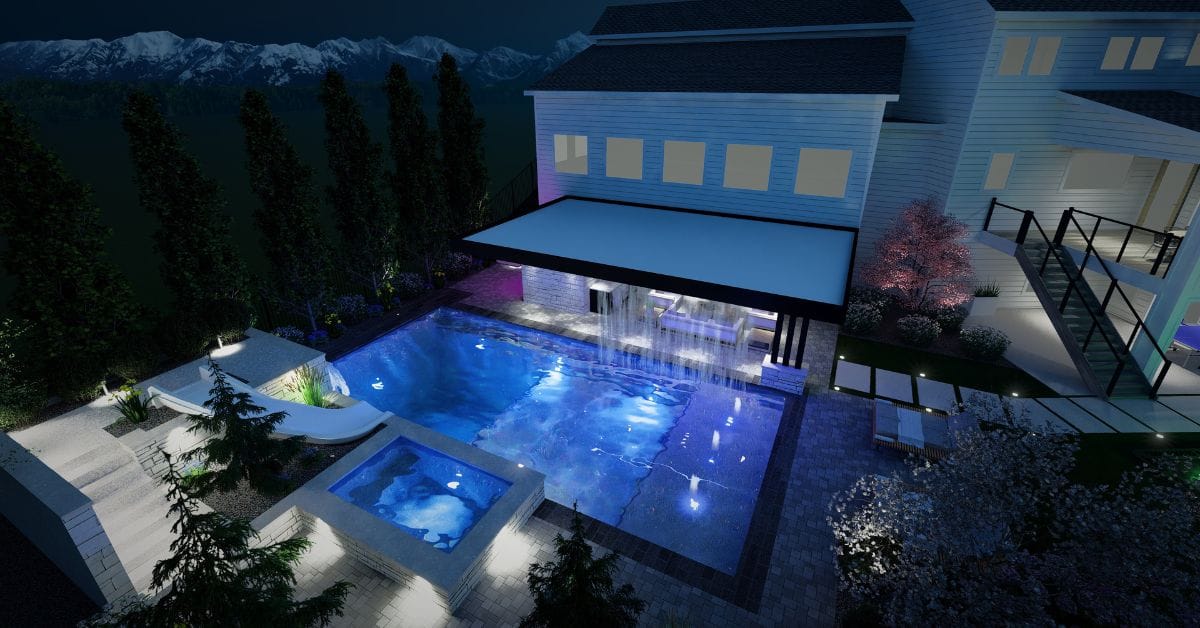
Infinity pools create a bold architectural statement. The disappearing edge draws attention immediately and elevates the perceived luxury of the property. When positioned strategically, the water reflects sky and landscape in a way that feels almost cinematic. This design thrives in settings where the view deserves emphasis.
Traditional pools provide a different kind of beauty. They allow more freedom to shape the surrounding deck, landscaping, and gathering areas. You can create intimate courtyards, expansive entertainment patios, or resort-style layouts. The visual impact depends more heavily on surrounding materials and design choices.
At MTN MOD, we design pools as part of a larger outdoor narrative. We ensure your chosen pool design complements your home’s architecture. Whether infinity or traditional, the design will feel integrated and intentional.
Site Requirements and Property Considerations
Your property plays a significant role in determining feasibility. Infinity pools require a slope or elevation change to achieve the vanishing effect. Flat lots limit the visual impact and may require costly structural adjustments. We always evaluate topography before recommending this style.
Traditional pools adapt more easily to varied terrain. They suit suburban neighborhoods, tighter lot lines, and properties without dramatic elevation. This flexibility makes them accessible to a broader range of homeowners. However, thoughtful design still matters to avoid a generic appearance.
For clients exploring luxury pools in Salt Lake City, Utah, mountain views and hillside lots often support infinity-edge construction beautifully. Each site demands a detailed assessment before final decisions. We analyze drainage, soil stability, and long-term structural considerations from the beginning.
Budget and Construction Complexity
Infinity pools require additional engineering and materials. The catch basin, structural reinforcement, and advanced hydraulic systems increase construction complexity. This complexity translates into a higher investment compared to traditional designs. Clients should approach infinity pools as a premium architectural feature.
Traditional pools offer more financial flexibility. While high-end finishes and features can raise costs, the base structure remains simpler. This simplicity allows homeowners to allocate funds toward landscaping, outdoor kitchens, or shade structures. This strategic planning can maximize overall value.
Maintenance and Long-Term Ownership
Every pool requires consistent maintenance, but infinity pools involve additional systems. The catch basin and recirculation components demand regular monitoring. Water levels must remain balanced to maintain the vanishing effect. Owners must commit to attentive care.
Traditional pools operate with fewer mechanical variables. Standard filtration and circulation systems simplify routine maintenance. Many homeowners feel comfortable managing basic upkeep with professional support as needed. Lower complexity often translates into lower long-term service costs.
Lifestyle and How You Intend To Use the Space
Your daily habits matter more than trends. Infinity pools often emphasize relaxation and visual enjoyment. Homeowners who entertain frequently or value serene evenings by the water gravitate toward this style. The atmosphere feels refined and tranquil.
Traditional pools often support active family use. Kids can play games freely without concern for a vanishing edge. Lap swimmers can incorporate clear lane designs easily. This style adapts well to multifunctional outdoor living.
Consider how you plan to use the space most often:
- Quiet relaxation and scenic enjoyment
- Entertaining guests in a dramatic setting
- Family recreation and pool games
- Fitness and lap swimming
- Integrated spa and water features
Resale Value and Market Perception
Infinity pools often command attention in high-end real estate markets. They photograph beautifully and create strong first impressions. Luxury buyers frequently associate vanishing-edge designs with resort-style living. On properties with premium views, this feature enhances perceived value.
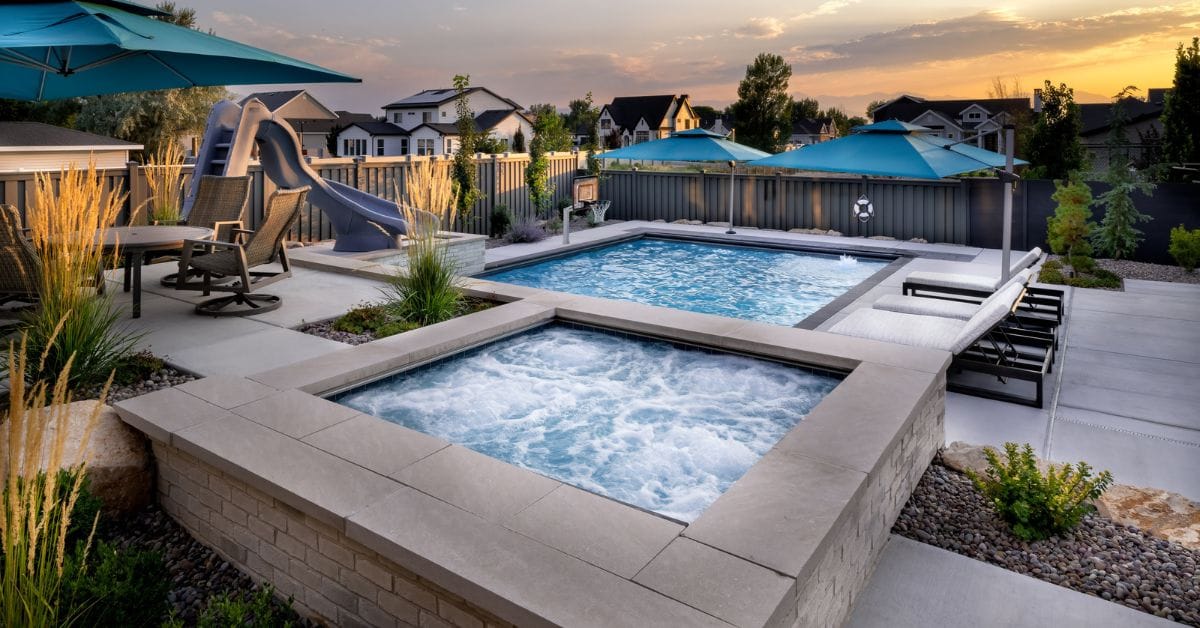
Traditional pools maintain broad appeal. Many buyers appreciate practicality and lower maintenance complexity. A beautifully designed traditional pool still elevates property value significantly. Market context influences which style resonates more strongly.
Craftsmanship and Experience Matter Most
No pool succeeds without proper craftsmanship. Poor design or rushed construction undermines infinity and traditional pool styles. Structural integrity, waterproofing, and finish selection require expertise and attention to detail. We never compromise on these fundamentals.
At MTN MOD, we approach every project as a complete outdoor experience. We consider sightlines from interior spaces, transitions from patio to water, and the flow between gathering areas. A pool should support connection, relaxation, and memory-making. We design spaces for the way you aspire to live in them.
So Which Fits You Best?
Infinity pools deliver drama, visual continuity, and architectural distinction. They thrive on properties with strong views and homeowners who value atmosphere. Traditional pools offer versatility, functionality, and broader adaptability. They support active use and diverse design possibilities.
Choosing which is best between an infinity and traditional pool depends on how you define luxury. For some, luxury means breathtaking views and seamless edges. For others, luxury means space for family, flexibility, and ease of ownership. Neither option stands above the other without context. Partner with MTN MOD to begin your custom pool design and build.
