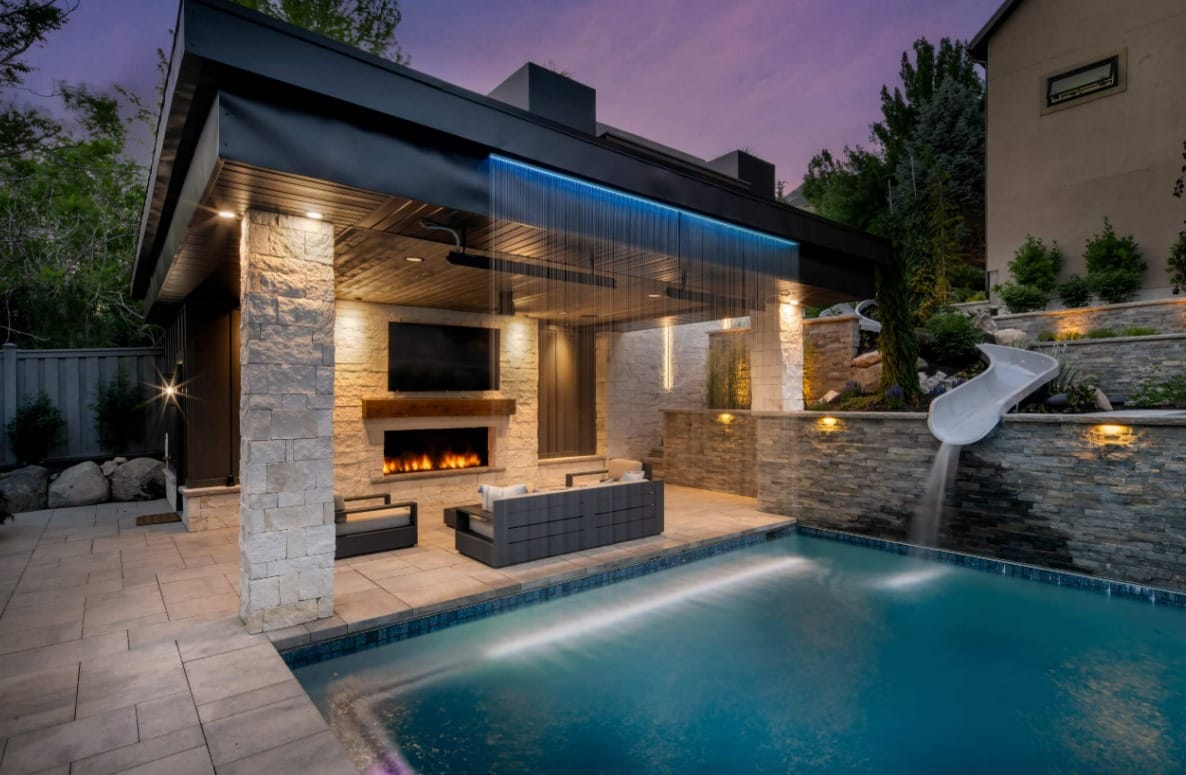
A great pool does more than add water to a backyard. It changes how people relax, entertain, exercise, and spend time outside. When homeowners treat a pool as part of a larger outdoor environment, every design choice can support a more comfortable and memorable experience.
Design-build firms help homeowners elevate pool experiences because one team guides the project from early concepts through construction. Instead of treating the pool, patio, landscaping, lighting, and gathering areas as separate projects, the team plans them together. That approach can transform a basic swimming area into a polished outdoor destination.
Start With the Full Space
Pool design works best when the team looks beyond the waterline. A pool interacts with the home, yard, views, pathways, seating areas, and surrounding landscape. A design-build firm studies those relationships before construction begins.
That broader perspective helps the team decide where the pool should sit, how people will move around it, and which nearby features will support daily use. The team can also account for sun exposure, privacy, wind, elevation changes, and sightlines from inside the home.
When all of those details work together, the finished space feels intentional. Homeowners can move naturally from the kitchen to the patio, from the patio to the pool, and from the pool to a lounge or fire feature without awkward transitions.
Shape the Pool Around Daily Life
Every household uses outdoor space differently. Some families want a lively place for children and guests, while others want a calm retreat with strong architectural character. A thoughtful design-build firm starts by learning how the homeowners want to live outside.
That conversation can shape the pool’s depth, size, entry style, seating features, and relationship with nearby gathering areas. A family that hosts large groups may want generous decking and several conversation zones. A couple who values quiet evenings may prefer a compact pool with a spa, sheltered seating, and softer lighting.
This lifestyle-first approach keeps the design from becoming a collection of attractive features with no clear purpose. Instead, each choice supports the way the homeowners plan to use the space.
Connect Architecture and Landscape
The strongest pool environments feel connected to the home rather than looking like an afterthought. A modern home may call for clean pool lines, large-format pavers, restrained planting, and simple water features. A home with warmer materials may benefit from textured stone, layered greenery, and softer transitions between the pool and surrounding landscape.
As an experienced outdoor living designer in Salt Lake City, Utah, Mtn Mod will also account for the region’s mountain setting, seasonal changes, and dramatic views. That local perspective helps the design complement both the property and the broader landscape without competing with either one.
Coordinate Every Feature
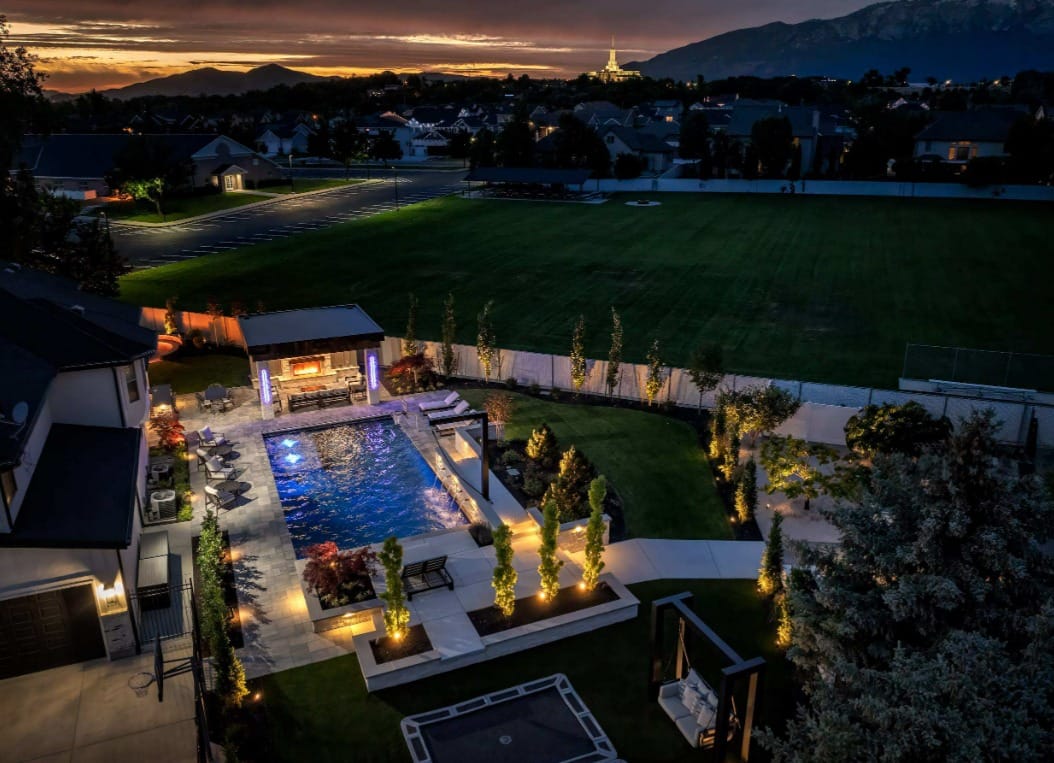
Pools rarely stand alone in high-end outdoor spaces. Homeowners often want kitchens, dining areas, fire features, shade structures, spas, lighting, lawns, gardens, or sports areas nearby. A design-build firm can coordinate those elements as one complete plan.
That coordination improves both appearance and function. The team can place a grill close enough to the dining area for easy serving, but far enough from the pool to keep traffic comfortable. The team can position a fire feature where swimmers can warm up while keeping smoke away from primary seating areas.
The same thinking applies to circulation. Wide pathways, clear transitions, and purposeful gathering zones help guests move through the space without crowding one area.
Choose Materials With Purpose
Pool environments face constant exposure to water, sun, temperature changes, and foot traffic. Design-build teams can help homeowners select materials that suit both the look of the project and the demands of the setting.
Surface texture deserves special attention around a pool. Smooth materials may look sleek, but homeowners also need comfortable footing and practical performance. Color affects the experience too. Light surfaces can create a bright, airy look, while darker tones can give the yard a richer, more dramatic feel.
Material choices also influence how the pool relates to the home. Repeating stone, wood tones, concrete finishes, or other architectural details can create continuity across indoor and outdoor spaces.
Plan Lighting Early
Lighting can change a pool area after sunset, so the team should treat it as part of the original design. Pool lights create visual depth in the water, while landscape lighting adds dimension around trees, walls, steps, and planting beds.
A design-build firm can layer different sources instead of relying on a few bright fixtures. Path lights can support movement, subtle step lighting can improve visibility, and accent lighting can highlight architectural details.
Thoughtful lighting also shapes mood. Softer illumination around lounge areas can create a relaxed atmosphere, while brighter task lighting near kitchens and dining areas can support cooking and serving.
Build Privacy Into the Design
A pool feels more comfortable when homeowners can relax without feeling exposed. Design-build firms can create privacy through layout, planting, walls, screens, pergolas, and changes in elevation.
Strategic planting often provides the most natural solution. Trees and layered shrubs can frame views while softening property boundaries. Walls and structures can add stronger separation where neighboring homes sit close to the yard.
Privacy planning works best when the team considers it early. That timing allows screens and planting to blend naturally with the overall design instead of forcing homeowners to add them after construction.
Simplify the Construction Process
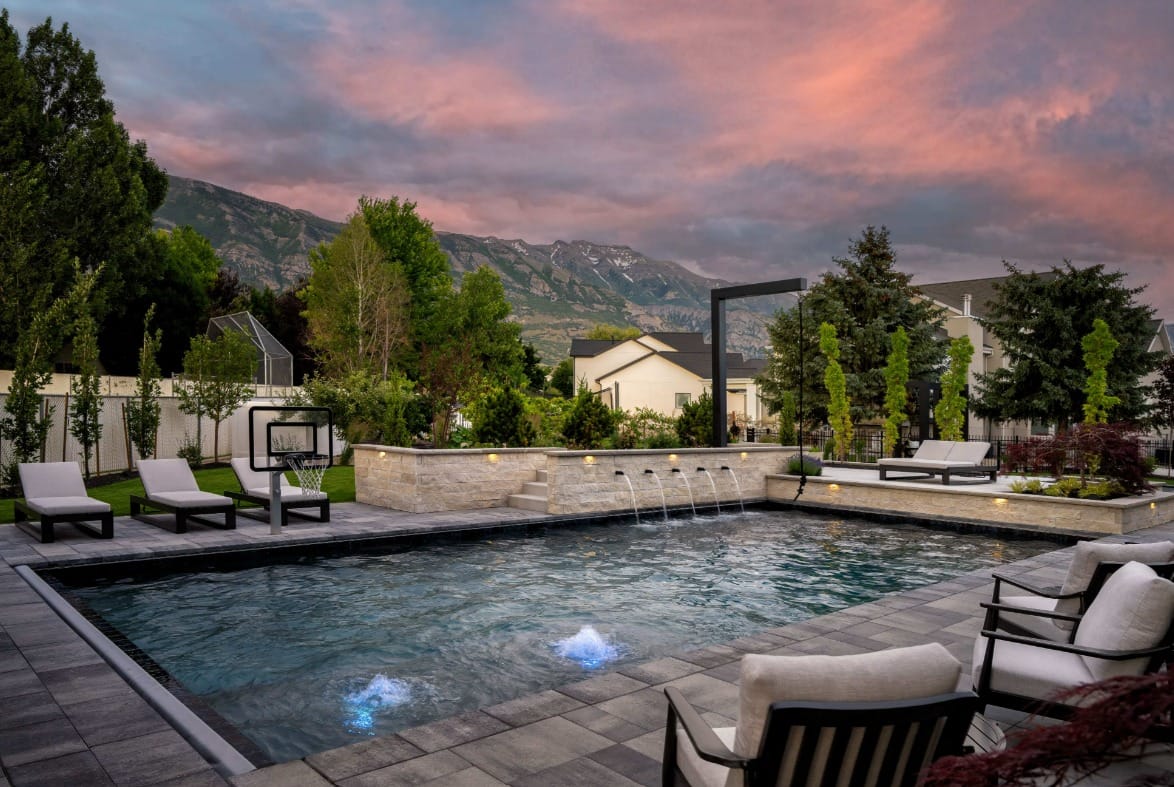
Complex outdoor projects involve many moving parts. Pool construction may intersect with grading, drainage, electrical work, gas lines, irrigation, masonry, planting, and structural features.
A design-build firm brings those responsibilities under one coordinated process. Designers and construction professionals can communicate throughout the project, which helps them solve conflicts before those conflicts disrupt the work.
Homeowners also gain a clearer point of contact. Instead of managing several independent contractors, they can work with a team that understands the full vision and can connect each phase to the next one.
Think Beyond the First Season
A pool project should support years of use, not just create a striking reveal on completion day. Design-build firms can help homeowners think about how plants will grow, how materials will weather, and how the space may serve changing needs.
Young families may want open areas for play now and flexible gathering areas for later. Homeowners who entertain often may want durable seating zones that can handle regular traffic. Others may want features that make quiet weekday use just as enjoyable as weekend gatherings.
Long-term thinking can also guide maintenance decisions. A well-planned space can balance visual richness with practical access, sensible planting, and durable surfaces.
Create a Complete Outdoor Experience
The best pool experiences come from more than the pool itself. They grow from the way water, architecture, landscape, lighting, materials, and gathering areas work together.
A design-build firm can elevate pool experiences and carry one clear vision through construction. That integrated process helps homeowners create an outdoor space that looks refined, functions naturally, and supports the way they want to spend time at home.
When every feature contributes to the larger experience, the pool becomes more than a place to swim. It becomes the center of an outdoor environment that supports connection, comfort, and lasting enjoyment.
